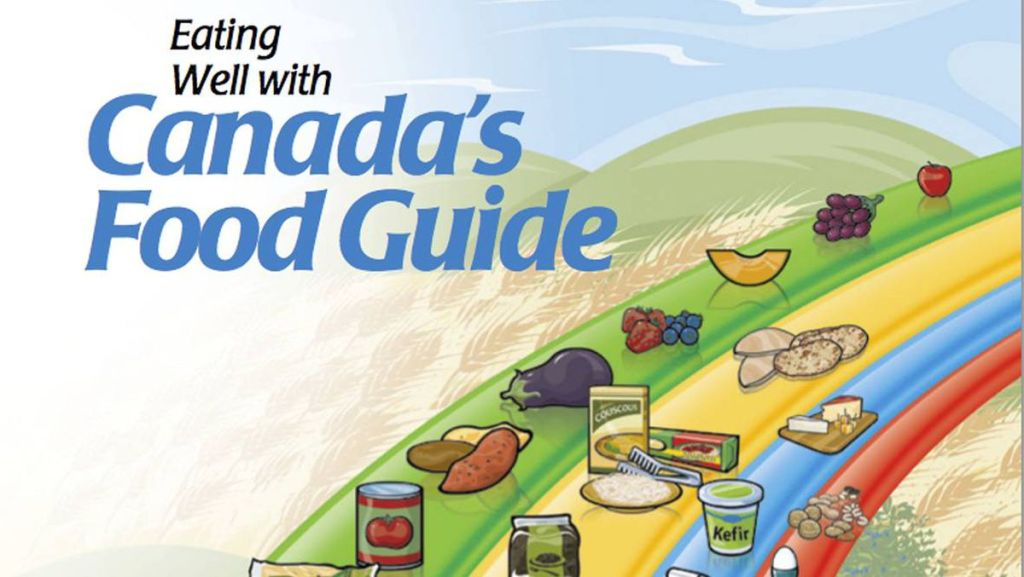
The recent food trend that many are raving about is cutting out meat and dairy products for a wider variety of protein that comes from plants. Canada’s food guide has adapted this principle recommending that you chose proteins that come from plant sources because they can provide more fibre and less saturated fat than other protein sources. Canada’s food guide also claims that “ you don’t need to eat large amounts of protein foods to meet your nutritional needs” (Food Guide, 2019). It proceeds to list a large lists of protein foods.
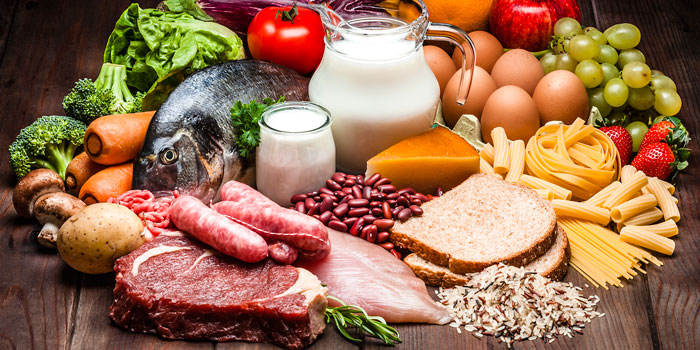
The List is as follows:
Beans, peas and lentils
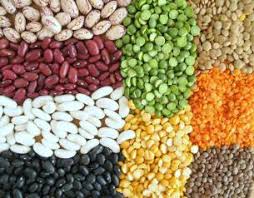
Choose:
- dried beans, peas and lentils to soak and cook at home
- low sodium canned beans, peas and lentils, or rinse and drain them to reduce the amount of sodium
Nuts and seeds
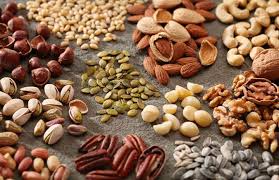
Choose:
- dry roasted nuts and seeds without added:
- sugars
- fat (oils)
- sodium (salt)
- peanut butter or other nut butters that list peanuts or nuts as the only ingredient. Choose ones with little to no added:
- sodium
- sugars
- saturated fat
Fish and shellfish
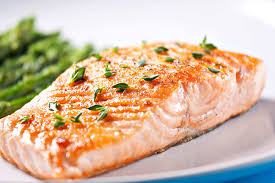
Choose:
- canned fish with little to no added sodium
- fresh or frozen fish and shellfish that has not been:
- breaded
- battered
- deep-fried
Lean meats
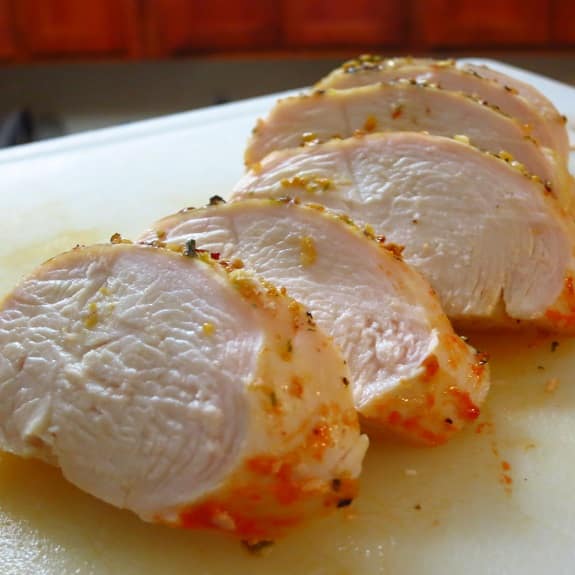
Choose:
- skinless poultry
- lean cuts of meat such as round and loin
- fresh or frozen meat and poultry without rich sauces
- meat prepared with little or no added sodium or saturated fat
Milk and dairy products
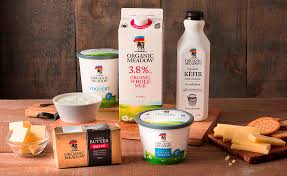
Choose:
- lower fat cheeses
- unsweetened lower fat yogurt
- unsweetened lower fat milk
Soy products and fortified soy beverages
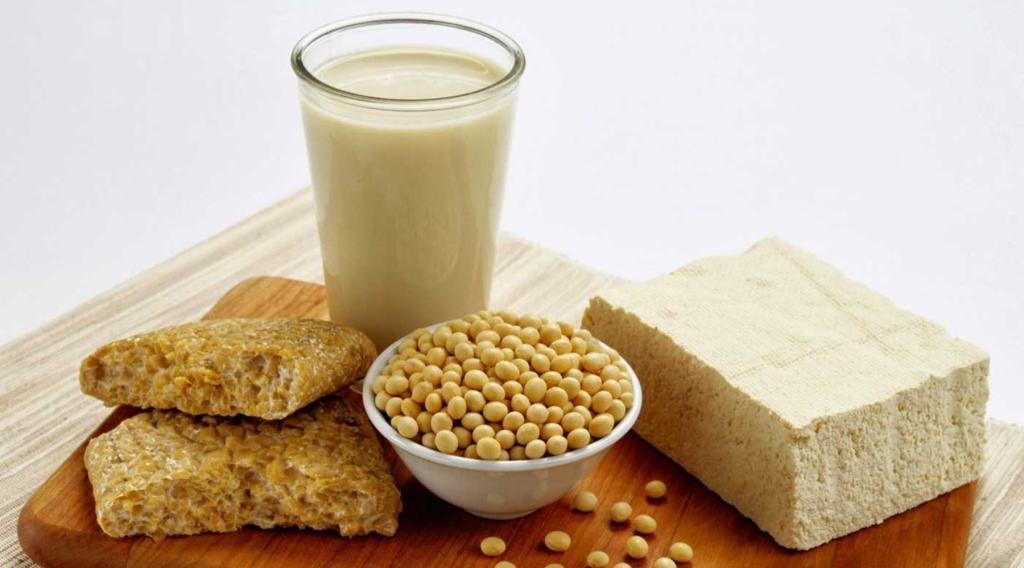
Choose:
- low sodium soy products
- unsweetened fortified soy beverages
There are some problems with the protein sources in the list above that, to the general public, may not be obvious but could pose some health problems. To speak to the attempt that Canada’s food guide has made to sway people’s diets towards eating healthier protein sources, not all their suggested protein sources are bad.
For example:
For one cup of green beans there is fifteen grams of protein, one gram of fat and forty-five grams of carbohydrates, including fifteen grams of fiber and many micronutrients. These are great stats in that they provide a good amount of protein which will prevent a protein deficiency, they are a low fat content which will allow the consumers diet to naturally decrease in the amount of fat they eat if they use green beans as a substitute for another food. As well, they have 45 grams of carbohydrates which, despite the common misconception, are very healthy for you because they provide you with the energy needed to take on the activities of the day.
The list refers to nuts and seeds as good protein sources. This is something that I wouldn’t necessarily recommend as a protein source due to a few factors. For one, most nuts have a higher fat content than they do protein. Secondly, that fat is mostly saturated fat which isn’t the best type of fat for the human body. Nuts having a high fat content means that they are calorically dense. This recommendation could be misinterpreted by the general reader of the food guide and could be less beneficial for the body than some of the other protein sources listed.
I am not against having a plant based diet and I understand that it does provide many worthwhile health benefits. To be recommending this kind of diet to the general public, who do not necessarily care to be diligent in tracking what they eat, could cause problems. Plant protein sources don’t always provide complete protein and are best eaten in conjunction with other plant protein sources that provide amino acids that the other source could be missing. This is likely not widely known and is just one of the problems that could arise.
Canada’s food guide recommends a very low amount of protein per day. They currently recommend about 0.8g per kg of body weight. For a person who weighs 180lbs, this comes out to about 65g of protein per day. For anyone that is performing physical activity daily, this amount of protein likely won’t be enough to allow your body to properly recover. 0.8g per pound of body weight will be a good measure of how much protein is needed to allow your body to maintain its muscle mass and even build muscle.
In conclusion, I believe that choosing plant based protein sources is a good practice. I have reservations about how the Canada’s food guide explains what sources are good and their recommendations for daily quantity of protein. A change should be made to the food guide to detail the topics I’ve talked about in order to make sure the general public is educated about what and how they are eating.
References
Flanagan, R. (2019, January 22). Canada’s Food Guide recommends we eat more plants, less meat. Retrieved from https://www.ctvnews.ca/canada/canada-s-food-guide-recommends-we-eat-more-plants-less-meat-1.4263478
Healthy eating recommendations. (2019, December 04). Retrieved from https://food-guide.canada.ca/en/healthy-eating-recommendations/make-it-a-habit-to-eat-vegetables-fruit-whole-grains-and-protein-foods/eat-protein-foods/

